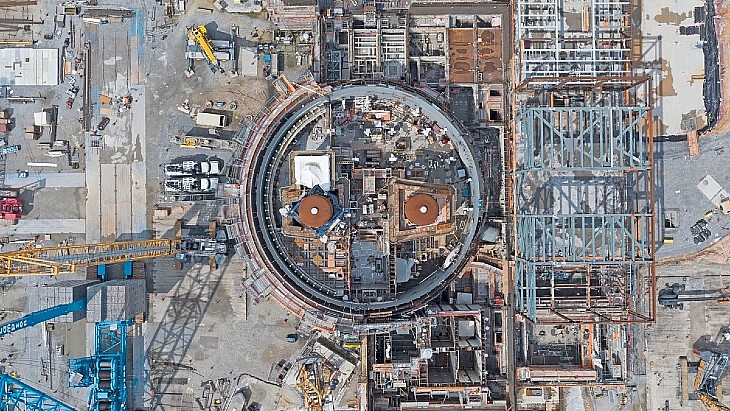
Westinghouse will qualify BWXT to manufacture components for the AP1000 reactor. The agreement expands the group of approved builders for advanced nuclear stations. This step helps speed up production as demand for clean base load power grows worldwide.
What is the Westinghouse and BWXT agreement?
Westinghouse is moving forward to certify BWXT as an approved maker of equipment for the AP1000 power plant. The AP1000 is a modern nuclear reactor design that uses passive safety systems to cool itself down even without electric power. Nuclear plants need massive, precise metal parts that must survive intense heat and high pressure for many decades.
Qualifying a new supplier requires rigorous checks on factory tools, quality control, and worker training. Once BWXT passes this process, it can produce key equipment directly for new plant projects. This step adds vital capacity to the broader energy industry, which must build strong supply lines to deliver new power plants on time.
Why do AP1000 component suppliers matter today?
Countries around the globe want dependable power that does not pollute the air or cause blackouts. Wind and solar provide clean power, but they depend heavily on sunny skies or blowing wind. Nuclear reactors supply steady power day and night, making them an important partner alongside renewable energy sources on the electric grid.
Here are key reasons why adding qualified manufacturers is vital right now:
- Heavy industrial factories with nuclear certifications are very rare across the world.
- More suppliers reduce the chance of long construction delays on big energy projects.
- Competition among approved part makers helps keep the cost of building new reactors lower.
- Strong supply lines give power companies confidence to commit to large reactor orders.
How does this nuclear supply deal affect ordinary people?
Most families and small businesses worry about high monthly electricity bills and sudden power cuts. When power companies face shortages of parts, new generating plants take years longer to complete. Those long delays drive up construction debt, and utility companies often pass those extra costs directly to home electric bills.
By bringing BWXT into the manufacturing chain, Westinghouse can build units with fewer bottlenecks. Reliable supply chains mean cleaner electricity can flow into neighborhood homes sooner. Stable local energy grids protect communities from price spikes when winter storms or summer heat waves hit.
What should energy watchers look for next?
The qualification process will take time because safety standards for nuclear equipment are strict. Engineers must inspect factory floors, review test welds, and verify that raw materials meet exact design requirements. Both companies will work closely to ensure every single standard is fully met before full production starts.
Observers will watch for the first official equipment orders placed with BWXT once certification finishes. Many nations are planning new AP1000 builds to replace aging coal plants and support expanding cities. Seeing real parts move out of the factory will signal that the supply network is ready for the future.
Post a Comment