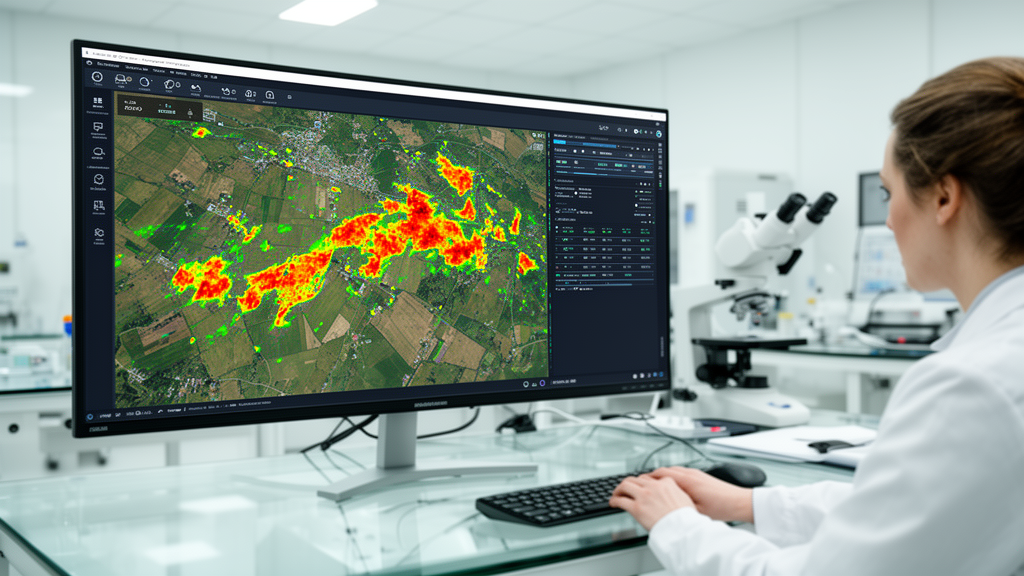
The United States Department of Agriculture has launched a new official website called Screwworm.gov. The platform comes directly from the Animal and Plant Health Inspection Service. It provides vital updates and guidance to protect animals from dangerous pests.
What is the Screwworm.gov website?
The new website serves as an official source for federal animal health news. Screwworms are fly larvae that feed on living tissue and can cause severe damage to warm-blooded animals. Through the site, government inspectors share warnings, news, and official facts to keep farmers and pet owners informed.
Visitors can use the portal to find verified instructions directly from federal inspectors. The focus is to make sure people know what steps to take if an outbreak begins. Having a single online home helps stop rumors and shares accurate tips quickly.
How does the Animal and Plant Health Inspection Service help?
The Animal and Plant Health Inspection Service, also known as APHIS, works to protect American agriculture. The agency watches for foreign pests and diseases that could harm farms, ranches, and domestic animals. By launching a dedicated website, the agency makes it easier for regular citizens to spot danger early.
Official efforts focus on key goals to keep domestic herds safe:
- Tracking potential pest spread across national borders.
- Providing clear steps to report sick or injured animals.
- Teaching ranchers how to treat animal wounds immediately.
- Sharing updates on federal inspection work in high-risk zones.
What should pet owners and farmers do next?
Livestock owners need to inspect their animals often for open wounds. Screwworm flies look for cuts, bites, or minor scrapes to lay their eggs. Fast detection protects the health of cattle, sheep, horses, and household pets before serious injury happens.
People can check Screwworm.gov whenever they see unusual fly activity near livestock pens. Keeping cuts clean and treated stops dangerous pests from multiplying. Following advice from federal health teams helps safeguard the entire food supply and keeps domestic herds thriving.
Post a Comment