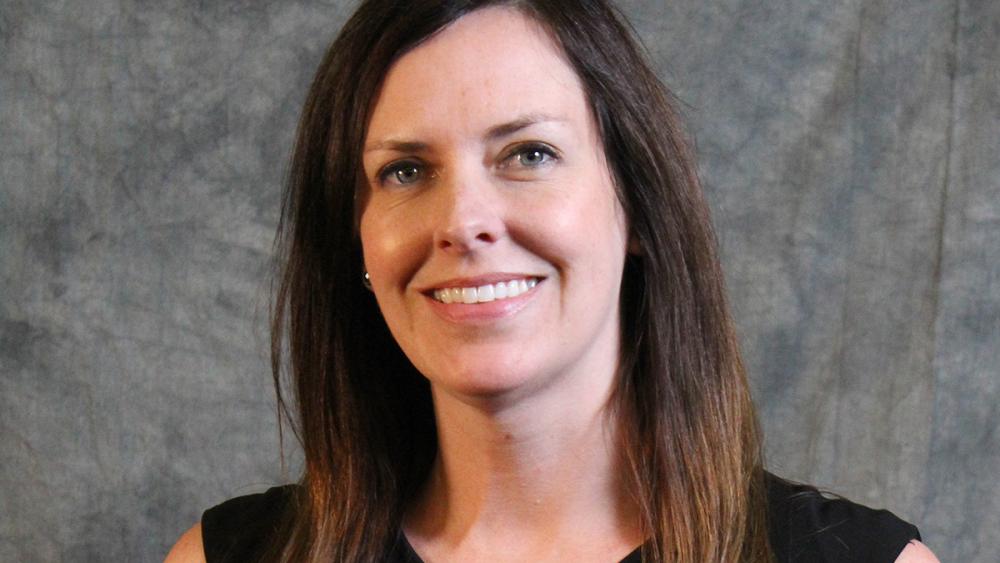
A faculty member at The Pennsylvania State University is looking closely at artificial intelligence. The work covers both the practical use of the tech and the big theories behind it. This balanced look helps people see how smart software shapes our daily work and study.
What is artificial intelligence practical and theoretical study?
Looking at artificial intelligence in two ways gives learners a complete picture. The practical side shows how to run tools, write prompts, and use software on a computer today. The theoretical side looks at how machines learn, how algorithms think, and why systems make certain choices. Both sides matter if you want to understand where modern tech comes from and where it will go next.
College classes often focus on only one side of this divide. Some programs teach pure math, while others just teach people how to click buttons. Balancing both gives students strong roots and real skills. Here is why this balanced approach matters so much right now:
- Hands-on tests show what tools can truly do today.
- Deeper ideas help people spot errors and false answers.
- Theory helps workers adapt when brand new apps come out next year.
Why college teaching on AI matters to everyday workers
Colleges help set the rules for how the rest of society handles new tools. When a faculty member tests these systems in class, it helps workers outside of school see what is real and what is just hype. Many offices are trying to figure out if smart tools can save time on daily chores. Guidance from major schools gives regular people a better plan for their own jobs.
Learning the theory also helps people think about safety, privacy, and fairness. Computer programs can make mistakes or pick up bad human habits from old data. Workers need to know when to trust an output and when to double check it themselves. Strong college research helps build that careful mindset for the entire public.
What should we watch for next in artificial intelligence?
More schools will likely follow this path and blend heavy computer science with simple everyday practice. Students who learn both ways will graduate ready to fix broken systems and build safer tools. Employers already look for workers who can think clearly about tech instead of just copying results blindly. This twin focus will shape job training programs everywhere in the coming years.
Watch for universities to share more open guides and lessons about machine learning. As smart tools spread into writing, art, and office tasks, ordinary people need honest facts from trusted teachers. The work done inside college classrooms will soon guide the tools we all use on our phones and home computers every single day.
Post a Comment